
‹
›
‹
›
Product Description
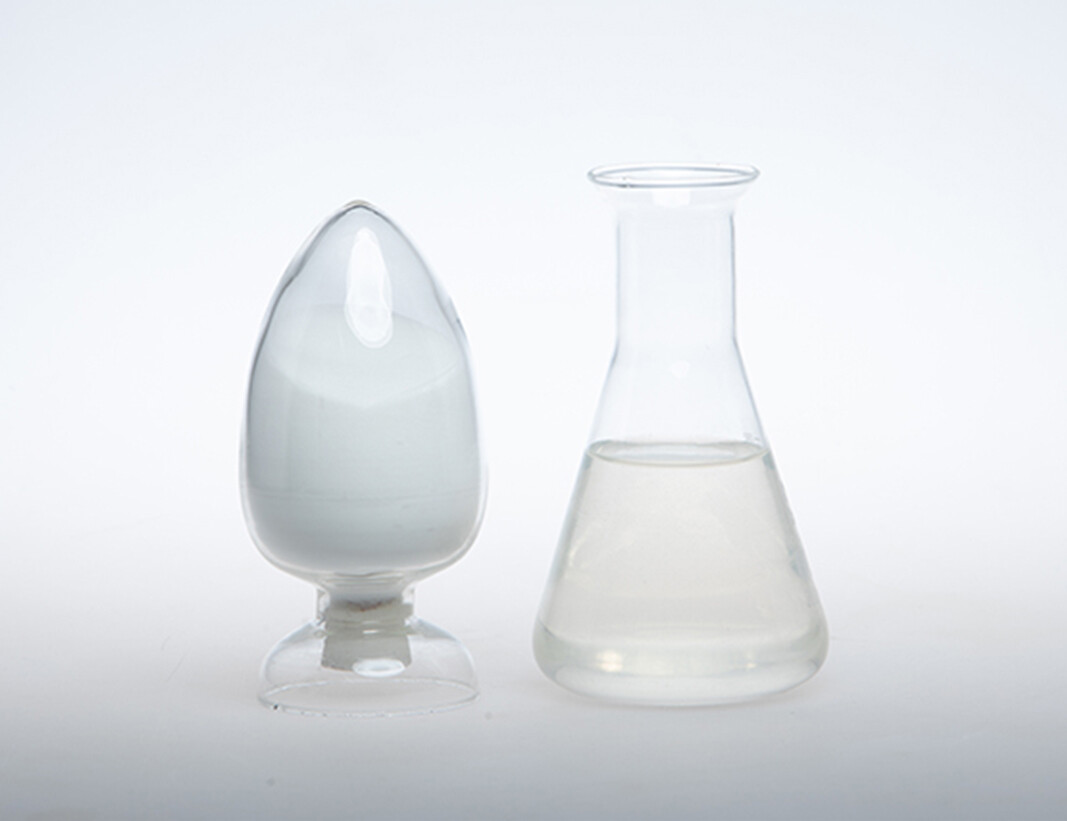
Polyether-modified silicone defoamer is a new, high-efficiency defoamer produced by modifying silicone with polyether and then adding various auxiliaries. It offers faster defoaming than conventional polyether products while retaining the excellent foam-suppression properties of siloxane. As a result, it provides strong defoaming and foam-control performance and is described as more favorable to microbial growth.
After high-temperature sterilization at 120–130°C, the product does not break its emulsion or separate oil, helping to reduce the required dosage.
Technical Specifications
Applications
PX-120 polyether-modified silicone defoamer is widely used in pharmaceutical manufacturing and bio-fermentation, including fermentation processes for antibiotics, oxytetracycline, penicillin, vitamin C, monosodium glutamate, yeast and citric acid. It can also be used in papermaking, sugar production, plant proteins, soybean products, fertilizers, textile printing and dyeing, coatings, cleaning agents, wastewater treatment and petrochemical industries.
Instructions for Use
1. Dilute the defoamer with an appropriate amount of water and transfer it to a sterilization tank. Sterilize at 120–130°C for 30 minutes, then cool to room temperature. Before use, homogenize by sterile-air sparging or stirring, and then feed it into the system.
2. For fermentation processes such as antibiotic and monosodium glutamate production, the reference dosage is 100–500 ppm of the total foaming-system volume (0.01–0.05%). The source document also gives a dosage range of 100–400 ppm (0.01–0.04%).
3. Depending on the material, the dosage may be approximately 20–30% lower than that of polyether defoamers. In applications that do not require sterilization, the product can be added directly to the base material or fed continuously. Adjust the dosage to prevent foam overflow.
Packaging, Storage and Handling
Packaging: 25 kg, 50 kg or 200 kg plastic drums. Store in a cool, dry and well-ventilated place. Shelf life: 6 months from the date of manufacture. Transport as a non-hazardous product.